Strangers Left Their Souls in These Books — and Readers Are Hunting for Every Last Word
Somewhere in a Goodwill bin in Tucson, there's a copy of The Bell Jar with seventeen pages of handwritten notes crammed into the margins. The original reader — whoever they were — underlined the same passage four times and wrote, simply, yes beside it. That's it. Just yes. But to the person who found the book two decades later, that single word felt like a conversation across time.
This is what the marginalia movement is about. And it's growing in ways that are quietly reshaping how Americans think about secondhand books.
What Exactly Is Marginalia — and Why Does It Matter?
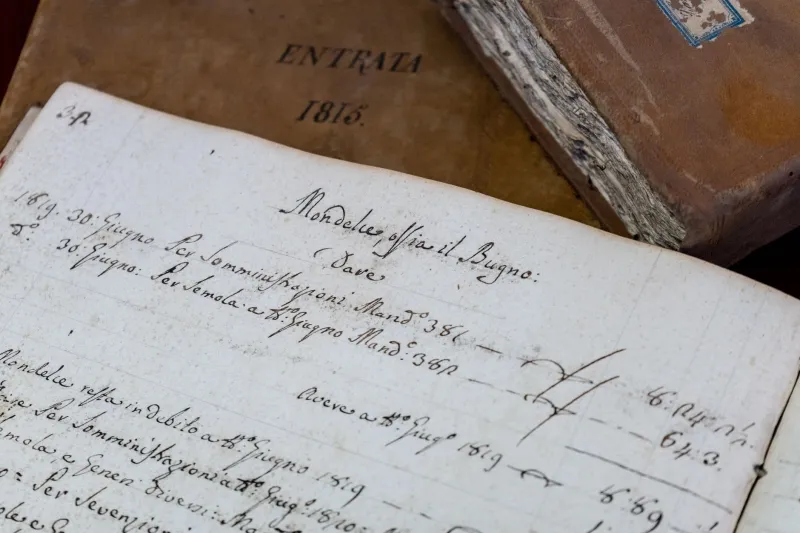
Marginalia is just a fancy word for the notes, underlines, doodles, and scribbles readers leave inside their books. It's been around forever — scholars have found annotations in medieval manuscripts, and famous writers like Mark Twain and John Adams were notorious for filling their books with commentary. But for most of modern publishing history, writing in your books was considered either a personal habit or, depending on who you asked, a minor act of vandalism.
That framing is shifting fast.
A growing number of readers across the US are now actively seeking out used books with previous owners' notes intact. They're not just tolerating the marginalia — they're treating it like a feature. Thrift stores, estate sales, and used bookshops have become treasure hunts where the real prize isn't the book itself, but what someone left behind inside it.
"I found a copy of East of Eden at a church sale in Vermont," says one reader who shared her experience in an online literary forum. "The previous owner had argued with Steinbeck on almost every other page. Actual arguments — like, 'No, that's not how grief works.' I felt like I was reading two books at once."
The Underground Archive Nobody Planned
Here's the thing nobody really intended: used books, collectively, have become one of the most honest literary archives in existence. Unlike curated author letters or published journals, marginalia is raw. It's what readers actually thought, in the moment, when no one was watching.
A copy of The Great Gatsby from 1987 might carry a high schooler's confused pencil questions alongside a teacher's red-ink corrections — a whole classroom dynamic preserved in 180 pages. A dog-eared romance novel from a beach house rental could have three different readers' comments layered on top of each other across the same paragraph. A self-help book from the '90s might reveal, through its underlines and margin stars, exactly which promises a stranger was desperately hoping to keep.
Librarians and archivists have started paying attention. Some university collections now specifically seek out heavily annotated used copies for cultural preservation purposes, particularly for texts that were widely read during specific social movements or historical periods. The annotations, they argue, tell us something about how books were read — not just what books were read — and that's a distinction that matters.
Tracking Down the Annotators
For some readers, finding a particularly moving set of annotations isn't the end of the story — it's the beginning of a search.
Social media has made it surprisingly possible to track down previous book owners, especially when those owners left behind names, dates, or inscriptions. Reddit threads dedicated to used book discoveries regularly feature posts where someone found a name inside a cover and, after some digging, managed to reach out. The results are unpredictable. Sometimes the original owner is thrilled. Sometimes they're moved to tears. Occasionally, they don't remember the book at all — which turns out to be its own kind of bittersweet discovery.
One particularly viral story involved a reader in Chicago who found a copy of The Alchemist with an entire letter folded inside, addressed to no one in particular, written by someone processing a painful breakup. After a few weeks of online sleuthing, she found the letter's author — now married, with kids, living in Portland. He had no memory of leaving the letter in the book. She mailed it back to him. He cried. The whole exchange was documented in a thread that racked up tens of thousands of upvotes.
These moments feel meaningful because they are. Books have always been containers for human emotion, but finding someone else's emotional residue inside one — and then finding them — collapses the usual distance between reader and stranger.
The Ethics of Reading Someone Else's Thoughts
Not everyone is entirely comfortable with this trend, and that discomfort deserves some airtime.
When someone writes in a book's margins, they're usually writing for themselves. The notes are private by nature — observations made in the assumption that no one else would ever read them. When those books end up in the secondhand market and strangers start mining those annotations for meaning, or worse, posting them publicly online, a question of consent naturally surfaces.
Is it okay to photograph and share someone's intimate margin notes without their knowledge? What about tracking them down? Even if the intent is purely warm and connective, there's an argument that private thoughts — even ones accidentally preserved in a donated book — deserve a certain amount of respect.
Most readers in the marginalia community seem to operate on an informal code: appreciate what you find, share it carefully, and if you track someone down, lead with warmth rather than surprise. But the ethics aren't fully settled, and probably won't be anytime soon.
Why This Trend Makes Complete Sense Right Now
It's worth asking why this is happening now, in this particular cultural moment.
Part of the answer is probably the loneliness epidemic. Americans are, by most measures, more isolated than they've been in generations, and there's something genuinely comforting about discovering that a stranger once sat with the same book, felt the same confusion on page 47, and found the same paragraph worth circling twice. Marginalia is proof of company — evidence that you're not alone in how a story hit you.
Part of it is also a reaction to digital reading. E-books are clean, searchable, and efficient, but they don't carry history. They don't smell like someone else's house. They don't have coffee rings on page 200 or a grocery list tucked between chapters. Used physical books are, in this sense, irreplaceable — and readers who've come back to print are often newly alert to everything a physical copy carries with it.
What You Might Find the Next Time You Browse Used Books
If you've never specifically looked for annotated used books before, consider making it part of your next thrift store or used bookshop visit. Flip through pages before you buy. Check the inside cover for names and dates. Look for underlines, asterisks, or margin notes that suggest someone read this copy with real intention.
You might find nothing. You might find a grocery list. Or you might find seventeen pages of someone's honest reckoning with a book that changed their life — and feel, for a moment, like you're reading alongside them.
That's the quiet magic of the marginalia movement. Every page really does tell a story. Sometimes it's the author's. Sometimes it belongs to a stranger who had no idea they were leaving one behind.