Room With a View (of Your Bookshelf): Inside the Movement to Build Personal Reading Sanctuaries
Somewhere in a suburb of Portland, Oregon, a woman named Delia spent three weekends pulling everything out of her walk-in closet. She wasn't decluttering. She was building a library.
Out went the shoe racks and the seasonal bins. In came custom shelving, a secondhand velvet chair she found on Facebook Marketplace, a string of warm Edison bulbs, and a small side table just big enough for a mug of tea. "My husband thought I'd lost it," she laughs. "Then he saw it finished and asked if he could use it too. I said absolutely not."
Delia isn't alone. Across the US, readers are quietly — sometimes obsessively — transforming underused corners of their homes into dedicated reading spaces. Not just a chair near a window, but fully realized, intentionally designed sanctuaries where the whole point is to disappear into a book. It's a trend that's picked up serious momentum in the last few years, showing up in home design communities, on Instagram, on Pinterest boards with names like "cozy library goals" and "bookish home," and in the DMs of interior designers who say their clients are asking for reading rooms more than ever before.
So what's driving it? And what does it say about us?
The Anti-Scroll Room
Ask anyone who's built one of these spaces why they did it, and you'll hear some version of the same answer: they needed somewhere to go that wasn't the couch with a phone nearby.
Sarah Cho, an interior designer based in Chicago who's helped several clients build home reading rooms in the past two years, puts it plainly. "People are exhausted by accessibility," she says. "They want a space that signals something — to their family, and honestly to themselves — that this time is protected. The room does the work of saying 'I am not available right now.'"
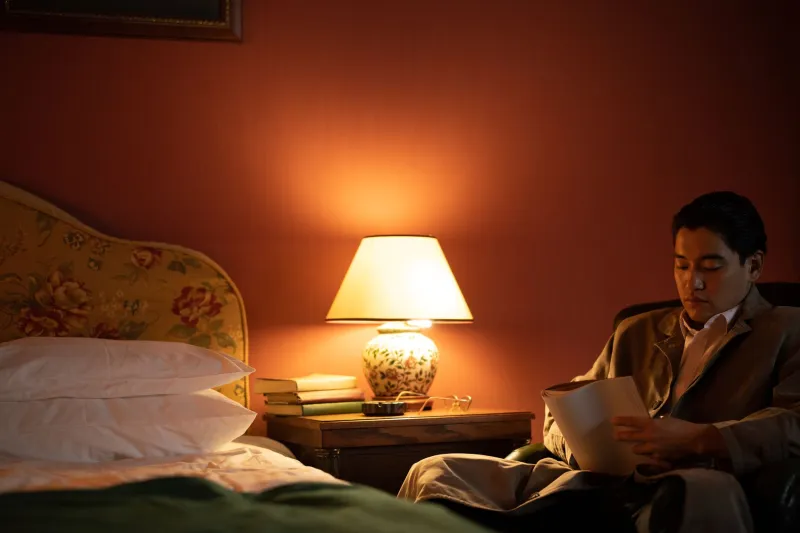
There's something almost architectural about the intention. A reading nook isn't just furniture arrangement. It's a boundary made physical. The small scale of most of these spaces — a converted closet, a built-in window seat with storage below, a tucked-away alcove at the end of a hallway — seems to be part of the appeal rather than a limitation. Readers describe wanting to feel enclosed, held even. "It's like the room is hugging you," one reader in Austin told us. "You pull the curtain across and the rest of the house just... disappears."
Dr. Maya Osei, a psychologist in Atlanta who studies environmental influences on attention and wellbeing, says this tracks with what we know about how physical environments shape behavior. "Humans respond strongly to spatial cues," she explains. "When you walk into a space that's been deliberately arranged around a single activity, your brain starts to shift into that mode before you've even sat down. You're essentially training yourself with architecture."
She points out that this is part of why public libraries work so well for so many people — the environment itself communicates a social contract around quiet and focus. A personal reading space does something similar, but more intimate. "There's no one else's expectations in the room. It's entirely yours. That can be incredibly freeing."
What These Spaces Actually Look Like
Forget the mahogany-paneled, floor-to-ceiling library of old movies. Today's home reading sanctuaries are wildly varied, deeply personal, and often built on a budget.
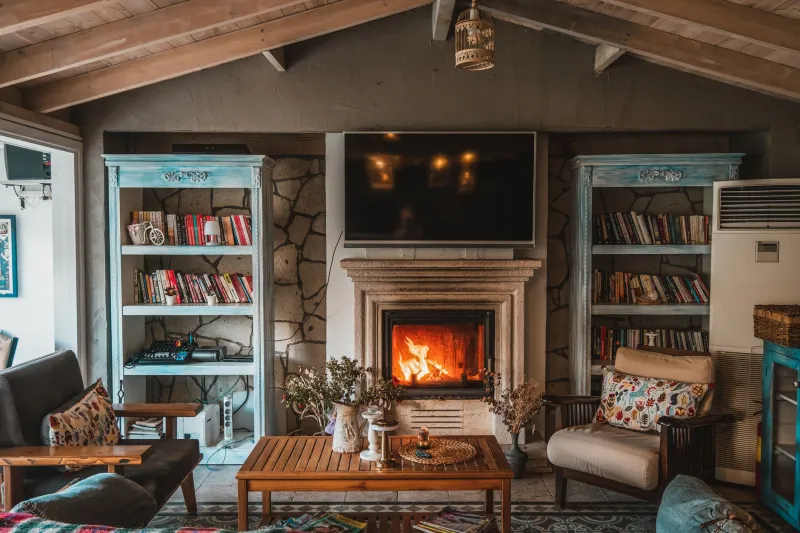
Some are genuinely elaborate — readers who've invested in custom built-ins, reading chairs that cost more than their first car, and carefully curated lighting that shifts from bright daylight bulbs for afternoon reading to warm amber for late nights. But plenty more are resourceful and scrappy in the best possible way: IKEA Billy bookcases painted to match the walls, curtains hung from a tension rod to create a closet nook, a beanbag chair and a clip-on reading light wedged under the stairs.
What they tend to share is a certain specificity. These aren't multipurpose spaces. There's no laptop, no TV, often no phone charger. The books are organized in a way that means something to their owner — by color, by genre, by emotional weight, by the year they were read. Little objects accumulate: a candle, a bookmark collection, a dog-eared paperback that's been read so many times the spine has given up.
"My reading corner is the most 'me' place in my whole house," says Marcus, a high school teacher in Philadelphia who converted a rarely-used formal dining room into a combined library and reading room over the course of a year. "Every other room is sort of negotiated with the rest of the family. That room is just mine."
The Public Library vs. the Private One
It's worth asking whether these personal spaces are replacing the public library in readers' lives — or doing something entirely different.
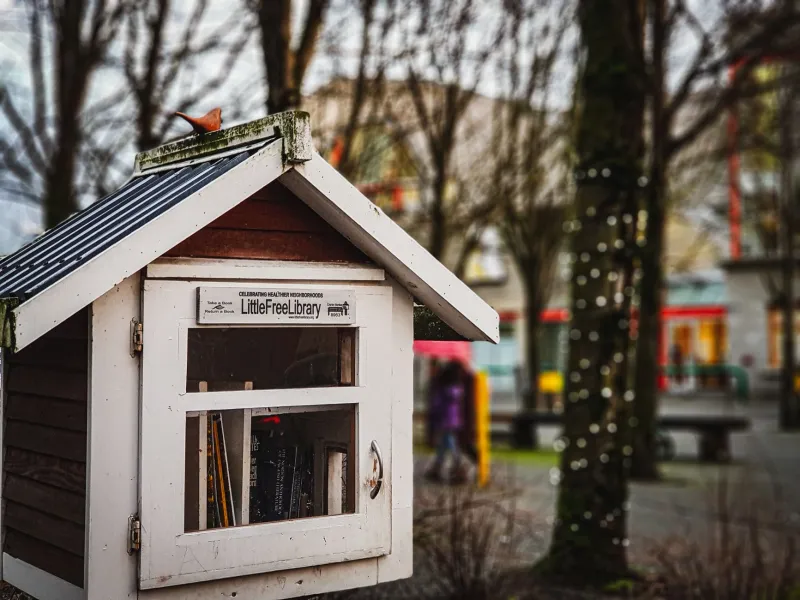
The answer, from most people we talked to, is both. Public libraries offer something no home shelf can replicate: community, serendipity, the unexpected discovery, the sense of shared space with strangers who also love books. Many of the readers building elaborate home libraries are also their local library's most devoted patrons.
But the home space fills a different need. It's not about access to books — it's about access to a version of yourself. The reader you want to be, the one who actually sits down and finishes the chapter instead of picking up their phone after three paragraphs.
"The library is where I find new books," says Delia, back in her Portland closet-turned-sanctuary. "My room is where I actually read them."
Building Your Own
If you're feeling the pull toward your own reading retreat, designers and devoted readers alike say you don't need a renovation budget or a spare room. You need intention.
Start with a chair — one that's genuinely comfortable for reading, not just sitting. Add a light source that's warm and positioned so it doesn't strain your eyes. Put books within arm's reach. Remove, or at least reduce, anything that competes: chargers, remotes, work stuff. Then use the space. Consistently. Let it become the place your brain associates with reading.
"It doesn't have to be beautiful to be yours," says designer Sarah Cho. "It just has to be deliberate. The moment you decide 'this corner is for reading,' you've already started."
That deliberateness might be the whole point. In a world where attention is the most contested resource we have, carving out a corner and filling it with books is a small, stubborn act of reclaiming something. A room that says: this is what I choose to do with my time. This is who I am when no one else is watching.
Turn the page. You've got a good spot to read it.