Reading for a Living (Without Writing a Single Word): How Book Lovers Are Cashing In on Their Passion

For most of us, the dream of making money from books starts and ends with becoming an author. But what if you could build a legitimate income stream from your reading life — the late-night annotating, the meticulous shelf organization, the instinct for knowing exactly which book a stranger needs — without ever pitching a manuscript?
That dream is already a reality for a surprisingly large and growing community of readers across the United States. They're not authors. They're not editors at publishing houses. They're just people who love books, deeply and specifically, and figured out how to turn that love into something that pays.
The Subscription Box Hustle
Few corners of the book economy have exploded quite like the literary subscription box. Companies like OwlCrate, Illumicrate, and Fairyloot have proven there's a massive appetite for curated monthly deliveries packed with books, bookmarks, candles, and themed merchandise. But increasingly, readers aren't just subscribing — they're launching their own boxes.
Small-batch curators across the country are building loyal followings by niching down hard. One reader in Austin focuses exclusively on Southern Gothic fiction. Another in Minneapolis has built a box around debut novelists from underrepresented communities. These aren't corporate operations — they're one- or two-person shops running out of spare bedrooms, sourcing directly from indie publishers, negotiating author-signed editions, and hand-packing shipments on weekends.
The startup costs are real, and the logistics aren't simple. But for readers with a genuine curatorial eye and a tight community, the margins can work. The key, seasoned box operators will tell you, isn't the book itself — it's the experience of receiving it.
Flipping Rare Books Is a Real Job Now
Walk into any estate sale, library book sale, or thrift store in America and you'll likely spot at least one person scanning barcodes with their phone. Some of them are just casual resellers. But the serious rare book flippers are a different breed entirely — they know what they're looking at before the phone comes out.
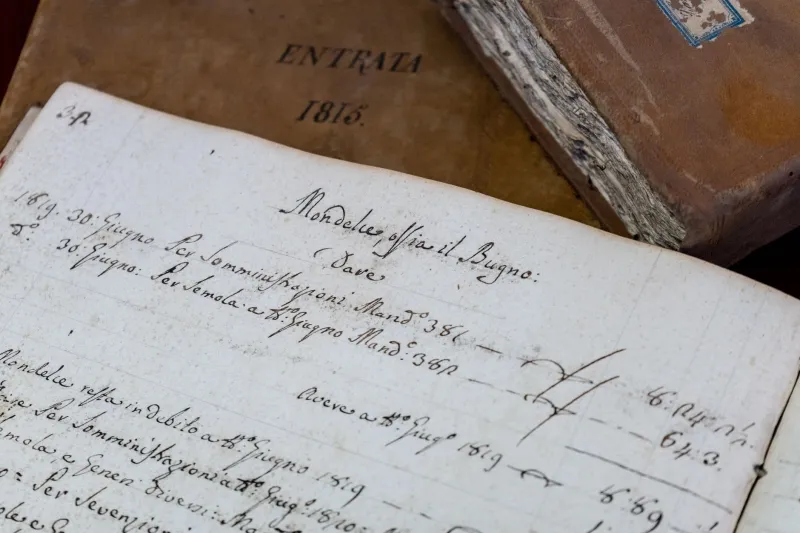
This is a skill set built over years of reading, collecting, and obsessing over publishing history. Knowing that a first edition of a particular title has a specific printing error that distinguishes it from later runs, or recognizing an author's signature from a bookplate — that kind of knowledge has monetary value.
Platforms like AbeBooks, Biblio, and even eBay have made it easier than ever to connect rare finds with buyers willing to pay. Readers who've spent years building expertise in a particular genre or era — mid-century science fiction, early feminist literature, signed Westerns — are translating that passion into serious side income. Some have graduated from weekend hobby to full-time dealership, operating entirely online.
The Aesthetic Economy: When Your Bookshelf Is a Brand
Instagram and TikTok didn't create the book aesthete, but they definitely gave them a platform and a paycheck. Literary content creators — people who photograph their bookshelves, style flat lays of seasonal reads, and document their reading rituals with genuine care — have built audiences that publishers and brands desperately want to reach.
This isn't just about follower counts. Micro-influencers in the book space, even those with audiences in the five-figure range, are landing sponsored posts, affiliate deals, and advance reading copies from major publishing houses. The pitch isn't "I have a million followers." It's "I have ten thousand readers who actually buy the books I recommend."
The affiliate angle alone has become a meaningful income stream for literary content creators. Amazon's affiliate program, Bookshop.org's creator program (which also supports indie bookstores), and various publisher direct partnerships mean that every recommendation can generate a small commission. Stack enough of those across enough content, and it adds up.
Running the Challenge: Community Management as a Career
Reading challenges have become a cornerstone of American reading culture — Goodreads' annual challenge alone sees millions of participants every year. But outside that platform, a whole ecosystem of independent reading challenges has emerged, run by readers who've turned community moderation into a genuine creative enterprise.
These challenge creators design prompts, build spreadsheets, run Discord servers, host virtual wrap-up events, and foster communities of thousands of readers working toward shared goals. Some operate entirely free, fueled by love of the craft. Others have built Patreon memberships, merchandise lines, and paid premium tiers that fund their time.
The skill set here overlaps heavily with community management and content creation, and some challenge runners have parlayed their experience into consulting work with publishers looking to build reader engagement programs. It turns out that knowing how to get people genuinely excited about reading a book is a transferable — and valuable — skill.
What This Means for Publishing
The rise of the reader-as-entrepreneur isn't happening in a vacuum. Publishers, particularly at the mid-size and independent level, are paying close attention.
For one thing, these reader entrepreneurs have become informal gatekeepers with real influence. A subscription box that selects your title reaches thousands of buyers who trust the curator's judgment implicitly. A rare book dealer who champions an overlooked backlist title can create a secondary market frenzy. A reading challenge that includes your genre can spike demand in ways a traditional marketing campaign can't replicate.
For another, this community represents a deeply engaged segment of the market that goes well beyond casual buyers. These are readers who have made books central to their professional identity, not just their leisure time. Publishers that figure out how to partner with them — rather than just market at them — are finding genuine allies.
The Bottom Line
None of this is a get-rich-quick story. Building income around your reading life takes the same things any entrepreneurial venture requires: consistency, community, and a willingness to treat something you love like a business without letting that kill the joy of it.
But for readers who've spent years quietly developing expertise — who know their genres cold, who've built trust with fellow book lovers, who can spot a valuable edition at a garage sale or style a flat lay that makes someone click "add to cart" — there's never been more infrastructure to support turning that passion into something that pays.
The pages were always there. The economy around them is just finally catching up.