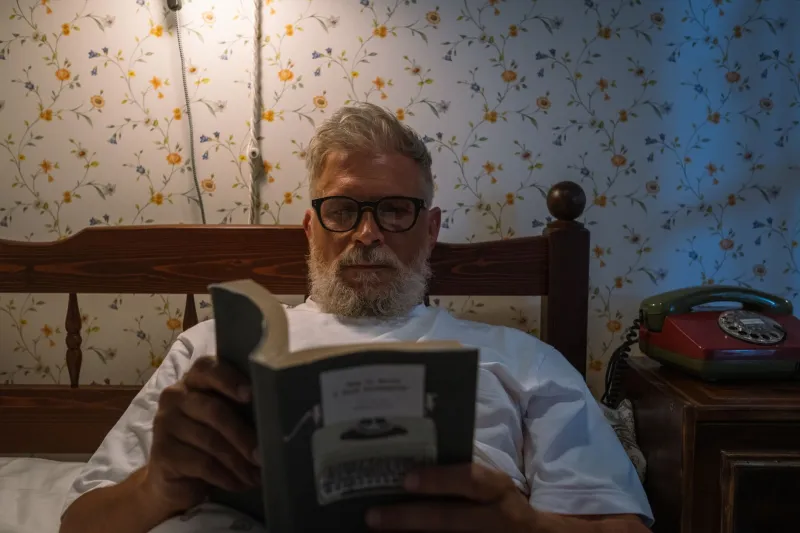
Proud Quitters: How the DNF Movement Is Turning Abandoned Books Into the Best Book Club Conversation

There's a paperback sitting on your nightstand, isn't there? Maybe it's been there for three weeks. Maybe longer. The bookmark hasn't moved in days, and every time you glance at it, there's this low-grade hum of guilt — like you owe that book something you just can't bring yourself to pay.
Now imagine sitting down with a group of people who get it completely. Not to encourage you to push through. Not to tell you it gets better after chapter six. Just to nod, laugh, and say: yeah, me too. I quit that one too.
Welcome to the DNF community — and it's growing faster than anyone expected.
What 'DNF' Actually Means (and Why It's Everywhere Now)
For the uninitiated, DNF stands for "Did Not Finish" — a label that's been living in the margins of Goodreads reviews and BookTok comment sections for years. Originally a quiet admission of defeat, it's evolved into something much more interesting: a badge of readerly self-awareness.
DNF communities are popping up across Reddit threads, Discord servers, and even in-person book clubs across the country. The premise is refreshingly simple — instead of gathering to celebrate the books everyone loved, members come together specifically to discuss the books they walked away from. What wasn't working. Where the story lost them. What the experience of quitting actually felt like.
And the conversations? Turns out, they're some of the richest discussions happening in reading culture right now.
The Permission Slip Readers Didn't Know They Needed
For a long time, not finishing a book carried real social weight. There was an unspoken contract — you start it, you see it through. Book clubs had an implicit expectation of completion. Goodreads shelves were monuments to things read, not things abandoned. Admitting you put something down felt like admitting you weren't a serious reader.
But that narrative is cracking open.
"People treat a DNF like a personal failure, and it's just not," says one member of a DNF-focused Discord community with over 2,000 active readers. "Sometimes a book isn't for you. Sometimes it's badly written. Sometimes your life is in a place where that story simply doesn't land. All of those are valid."
The shift mirrors a broader cultural conversation about authenticity — the same energy that drove readers to start sharing their real, messy, annotated books online rather than perfectly curated shelfies. Readers are hungry for honesty, and DNF communities deliver it in spades.
What People Are Actually Talking About
Here's the thing that surprises people when they first join these spaces: the conversations aren't really about bashing books.
Sure, there's some of that. But mostly, DNF discussions dig into craft in a way that traditional book clubs rarely do. When you're talking about why something failed to hold your attention, you end up examining pacing, voice, character motivation, structural choices — the nuts and bolts of what makes storytelling work.
"I've learned more about what I want from fiction through my DNF discussions than I ever did from finishing a book and saying 'that was good,'" one reader posted in a popular Reddit thread on the topic. "When something works, you just absorb it. When it doesn't, you have to figure out why."
That analytical energy is shaping readers into more sophisticated thinkers about literature. It's not cynicism — it's engagement of a different, arguably deeper kind.
The Guilt Is Real, and That's Worth Talking About Too
DNF communities don't just tackle craft questions. They also do something quieter and maybe more important: they hold space for the emotional side of quitting a book.
Reader guilt is a legitimate phenomenon. Plenty of people abandon books they genuinely wanted to love — maybe it came highly recommended, maybe they paid full hardcover price, maybe it's a classic they feel they should appreciate. The gap between expectation and experience can sting.
Talking openly about that tension — with people who aren't going to push you to reconsider — is oddly therapeutic. Several readers in these communities describe the experience as something close to relief. There's a specific kind of freedom in saying "this wasn't for me" and having a room full of people respond with understanding instead of a reading list of reasons to give it another shot.
Some communities have even started maintaining shared DNF libraries — running lists of books members have abandoned, with short notes on why. It functions almost like a reverse recommendation engine. Knowing that fifteen people with similar taste all put down the same thriller in chapter four is, frankly, useful information.
Does Normalizing Quitting Change How We Read?
It's a fair question. If it becomes culturally acceptable — even celebrated — to abandon books freely, does that erode the kind of patient, committed reading that allows difficult or slow-burn literature to fully land?
Some readers worry about this. There's a certain category of book — dense, demanding, deliberately uncomfortable — that rewards the reader who sticks with it. And there's a risk that a culture of easy exits trains readers away from that kind of endurance.
But most people in DNF communities push back on this framing pretty firmly. "Knowing I'm allowed to quit actually makes me more willing to take risks on challenging books," one reader explained. "I'll pick up something experimental or weird because I know I'm not trapped. And half the time, I end up finishing it anyway because the pressure is off."
That tracks psychologically. Autonomy — the sense that you're choosing to continue rather than obligated to — tends to increase engagement, not reduce it.
The Bigger Picture: What DNF Culture Says About Reading Today
At its core, the DNF movement is about redefining what it means to be a reader. The old model was completionist and a little performative — the goal was a finished book, a rating, a review, proof of literary citizenship.
The new model is messier and more honest. It includes the books you loved, the ones you tolerated, the ones you threw across the room, and yes — the ones you quietly closed and never reopened. All of it counts. All of it is part of your reading life.
If anything, the willingness to talk openly about what didn't work is a sign of a reading culture that's maturing. It means readers trust themselves enough to say this isn't for me without needing external validation. It means the conversation about books is getting bigger and more nuanced, not smaller.
So if that book on your nightstand is going nowhere — maybe it's time to DNF it with pride, find your people, and talk about exactly why. Turns out, that conversation might be the best one you have all year.