Likes, Shelves, and the Space Between: Is Bookstagram Helping You Read More or Just Pretend To?
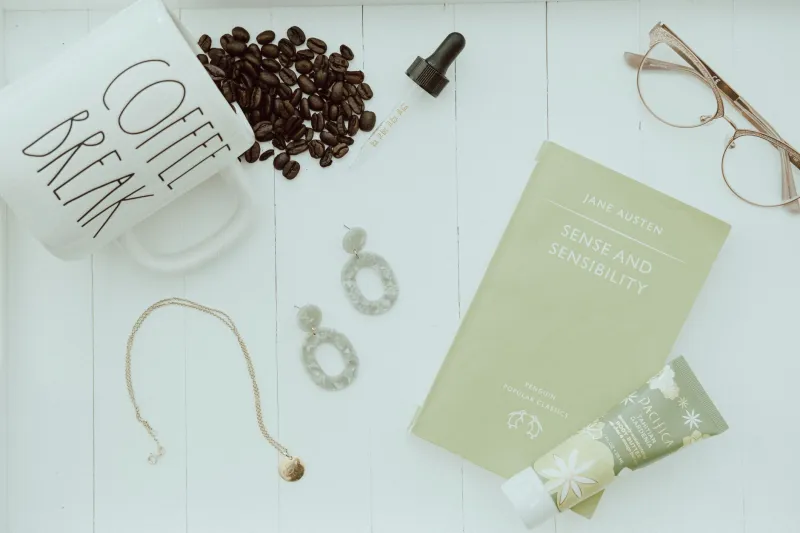
There's a certain kind of photo you've definitely seen. A hardcover with an uncracked spine, propped against a ceramic mug of something steamy, a dried flower tucked between pages that have clearly never been turned. The lighting is golden. The aesthetic is immaculate. The caption says something like "lost in this one ✨📖."
But were they, though?
Bookstagram — the sprawling, gorgeous, occasionally chaotic book community living inside Instagram and spilling across TikTok, Pinterest, and Tumblr — has grown into something genuinely remarkable. It's introduced millions of American readers to titles they'd never have stumbled across otherwise. It's built friendships, launched careers, and turned independent bookstores into pilgrimage sites. But it's also quietly created a strange new pressure: the pressure to perform reading rather than just do it.
The Shot Before the Story
Ask any dedicated bookstagrammer how long a single post takes, and the answers are surprising. Mara, a 26-year-old reader and content creator based in Portland, Oregon, estimates she spends anywhere from 45 minutes to two hours setting up, shooting, editing, and captioning a single book photo. "I genuinely love it," she says. "But I've definitely finished a photo shoot for a book I haven't started yet. Sometimes the photo comes way before the read."
That's not an unusual confession in the community. What started as readers sharing genuine enthusiasm — snapshots of their nightstands, handwritten notes about favorite passages — has evolved into a full aesthetic genre with its own visual language, seasonal palettes, and unspoken rules. Dark academia vibes for October. Bright pastels when a debut novel drops in April. Props that match the book's cover color. Candles that cost more than the book itself.
The algorithm, as anyone who's tried to grow an account knows, rewards the aesthetic. A beautifully staged flat lay will almost always outperform a candid photo of someone actually reading on their couch with a bag of chips nearby. And that gap — between what gets engagement and what reading actually looks like — is where things get interesting.
Does the Performance Kill the Page?
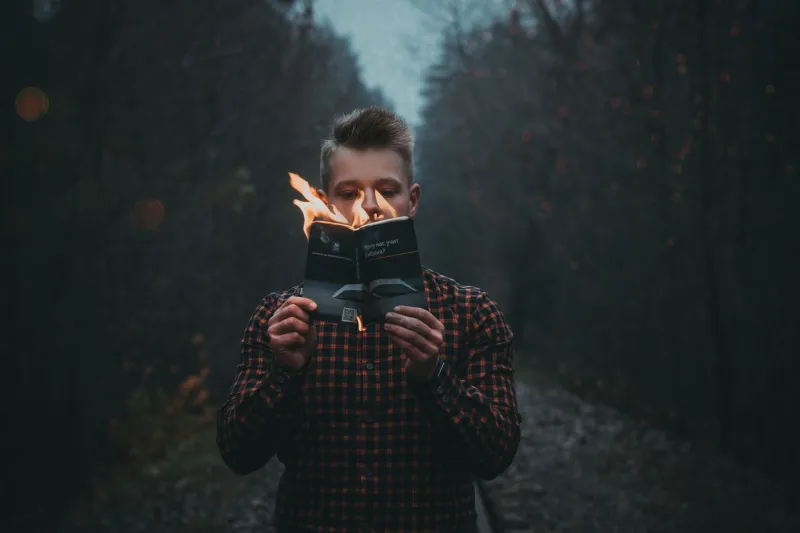
Psychologists who study motivation make a distinction between intrinsic and extrinsic motivation. Intrinsic motivation is reading because you love it. Extrinsic is reading so you can post about it. The concern — and it's a legitimate one — is that when external rewards like likes, followers, and brand partnerships become the primary driver, the internal joy can quietly erode.
Dr. Priya Nambiar, a behavioral researcher who studies media consumption habits, puts it plainly: "When we start optimizing an activity for external validation, we often find ourselves less satisfied by the activity itself. The reward center shifts. You're chasing the engagement, not the experience."
For some readers, this has manifested as a very specific kind of reading slump — one where they're surrounded by beautiful books they've bought specifically because they'd photograph well, and they can't bring themselves to open any of them. The books become objects. The reading becomes theoretical.
Jameel, 31, from Atlanta, describes a period last year where he'd accumulated over 60 unread books specifically chosen for their cover art. "I had this whole shelf that looked incredible on camera. I was posting constantly. But I hadn't actually finished a book in like four months. That was a wake-up call."
But Here's the Other Side of That Story
Before we write off Bookstagram entirely, it's worth sitting with what the community has genuinely done for reading culture in America.
Publishers will tell you — and sales data backs this up — that a single viral Bookstagram or BookTok post can push a mid-list novel onto bestseller lists overnight. Smaller, independent authors who might have gone unnoticed in traditional marketing cycles have found massive audiences through the community. Readers in rural areas without access to great bookstores or active literary scenes have found their people online.
And for a lot of readers, especially younger ones, the aesthetic side of book culture was actually the entry point. The pretty photos got them into bookstores. The community kept them reading.
Sophia, 22, a college senior in Columbus, Ohio, credits Bookstagram with turning her into an actual reader. "Before I found the community, I hadn't read for fun since middle school. I started following accounts because I liked how the photos looked. Then I started actually reading the books. Now I read like 40 books a year. The aesthetic was the gateway."
That's a story worth honoring.
Finding the Balance Nobody Talks About
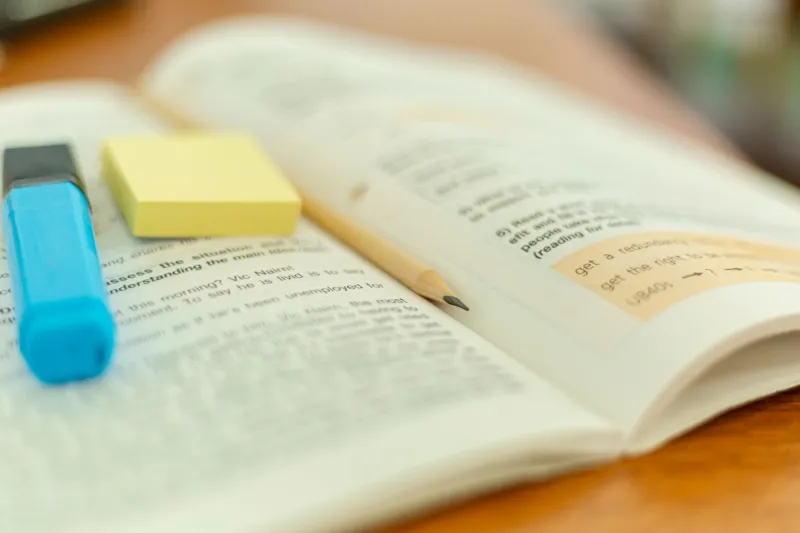
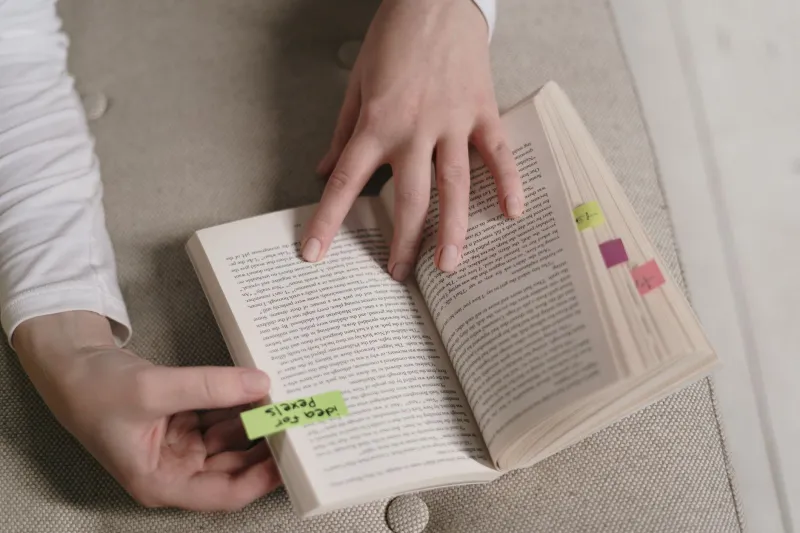
The most interesting bookstagrammers right now are the ones who've stopped pretending the tension doesn't exist. Accounts that show messy reading nooks. Captions that say "I actually didn't love this one." Posts that feature a book they've clearly read — coffee stain on the cover, bent spine, sticky notes bleeding out the top.
There's a growing counter-movement inside the community sometimes called "authentic bookstagram" — a deliberate pushback against the pressure to make everything look like a catalog shoot. These creators are gaining followings precisely because they're showing what reading actually looks like, which is to say, kind of chaotic and deeply personal.
Mara, who spent years chasing the perfect aesthetic, says she's shifted her approach. "I still care about how my photos look. But I started asking myself: did I actually read this? Do I actually have something to say about it? If the answer is no, I don't post it. My engagement dropped for a while, but the people who stuck around are way more engaged. They're real readers."
What It Means for the Rest of Us
If you're not a bookstagrammer — if you're just a reader who occasionally scrolls through the community — there's still something in this conversation worth chewing on. The performative pressure doesn't just live on social media. It lives in TBR piles we've built for show, in books we buy because they're having a cultural moment rather than because we actually want to read them, in the quiet shame of admitting you haven't finished the book everyone is talking about.
Reading has always been personal. The page doesn't care how many followers you have. The story doesn't perform better because the lighting is good.
Bookstagram, at its best, is a celebration of that — a community of people who love books enough to make them beautiful, to share them, to talk about them with strangers on the internet at midnight. At its worst, it's a reminder that even the things we love most can get a little lost when we start doing them for an audience.
The good news? The book is still there. You can always just open it.